
गरिमा गृहA home with dignity
Garima Greh
Creating safe spaces. Rebuilding lives. Restoring dignity.
A safe home in New Delhi for transgender persons who have lost theirs, with the care, skills and support to build an independent life.
- A home in New Delhi
- Since 2021
- Run by transgender people
- Community-led
- A Government of India scheme
- SMILE
About the programme
What is Garima Greh?
- गरिमाGarima means dignity
- गृहGreh means home
Garima Greh is a shelter and support initiative for transgender persons who experience family rejection, homelessness, violence, discrimination, or exclusion.
Launched by Mitr Trust in April 2021, the initiative provides a supportive environment where residents can access accommodation, food, basic amenities, healthcare linkages, counselling, recreational activities, and capacity-building opportunities.
The programme seeks to strengthen the independence, confidence, and social inclusion of residents while supporting their transition towards sustainable livelihoods and community integration.
Garima Greh homes are part of SMILE (Support for Marginalised Individuals for Livelihood and Enterprise), a scheme of the Ministry of Social Justice and Empowerment, Government of India. Each home is run by a community-based organisation. In Delhi, Mitr Trust runs it, and the people who run it share the lived experience of the people it shelters.
Our objective
To ensure that transgender persons facing homelessness or social exclusion have access to safety, care, opportunity, and a pathway towards independent living.
What Garima Greh offers
Key services
Everything a resident needs to feel safe, settle in, and start planning the next chapter of their life.
Safe residential accommodation and basic amenities.
Nutritious meals and essential daily support.
Healthcare referrals and counselling linkages.
Education and vocational skill development.
Digital literacy and life-skills development.
Recreational activities and peer support.
Support for accessing relevant welfare schemes.
Livelihood readiness and social reintegration.
Who can stay at Garima Greh
- Transgender persons who are homeless, or who face family rejection, violence, discrimination or abandonment.
- Adults between 18 and 60 years of age.
- A transgender certificate from the National Portal for Transgender Persons, and an Aadhaar card. If you do not have them yet, we can help you apply.
Places are limited and admission follows the scheme’s rules, so please call our helpline before you come. We will listen and guide you.
Call our helpline: +91 99588 89755From shelter to independence
Reach out
Call our helpline or visit us. We listen, understand your situation and explain how Garima Greh works.
Admission
Fill in the admission form and a personal affidavit, with help from our staff wherever you need it.
Safety and care
A bed, meals, essentials, health check-ups and counselling, in a home where your identity is respected.
Learning and growth
Education, vocational and digital skills, life skills and peer support build confidence for what comes next.
Independent living
Livelihood readiness, welfare access and support to move on to work and a home of your own, usually within a year.
Inside Garima Greh
Life at Garima Greh
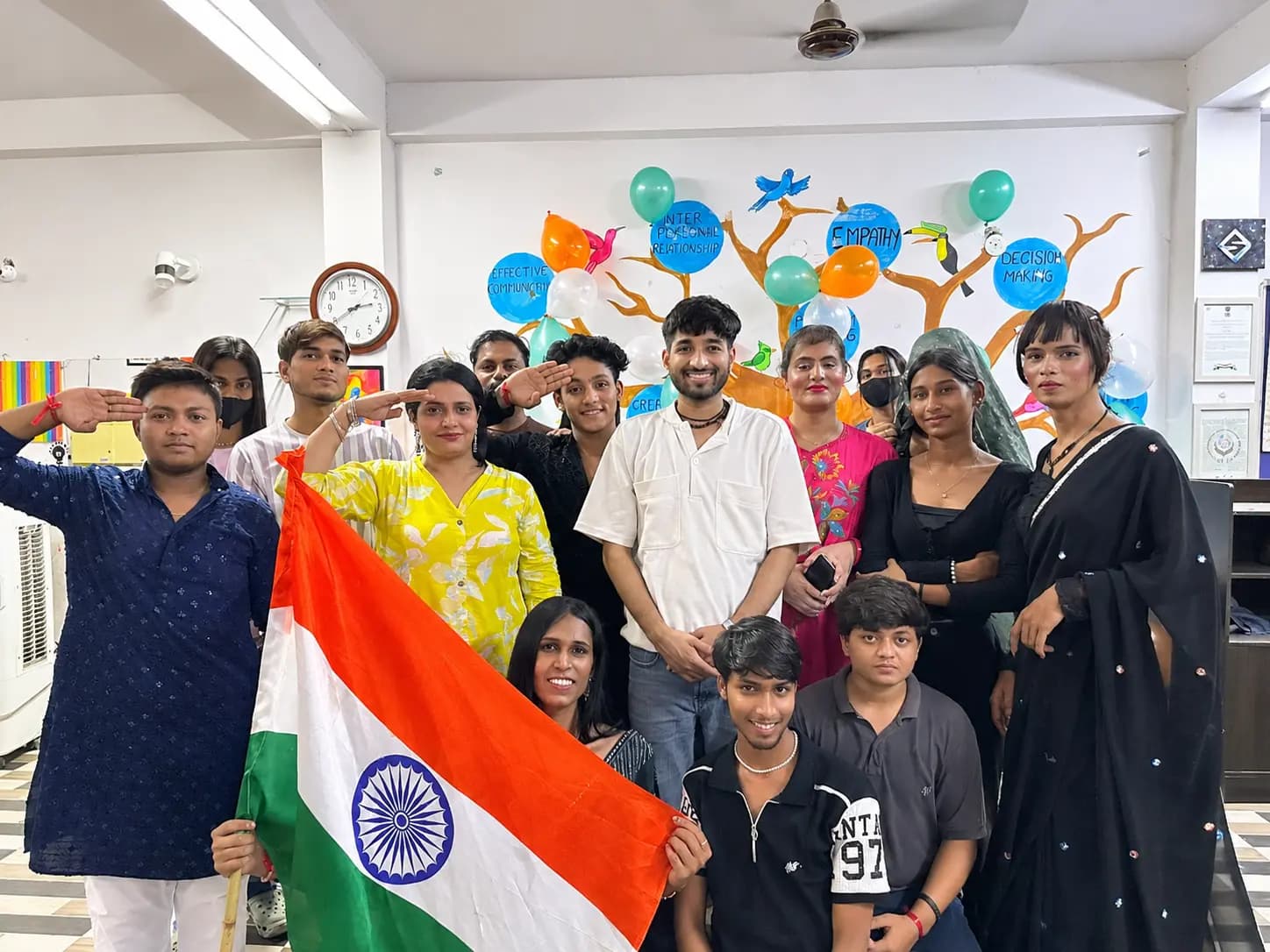
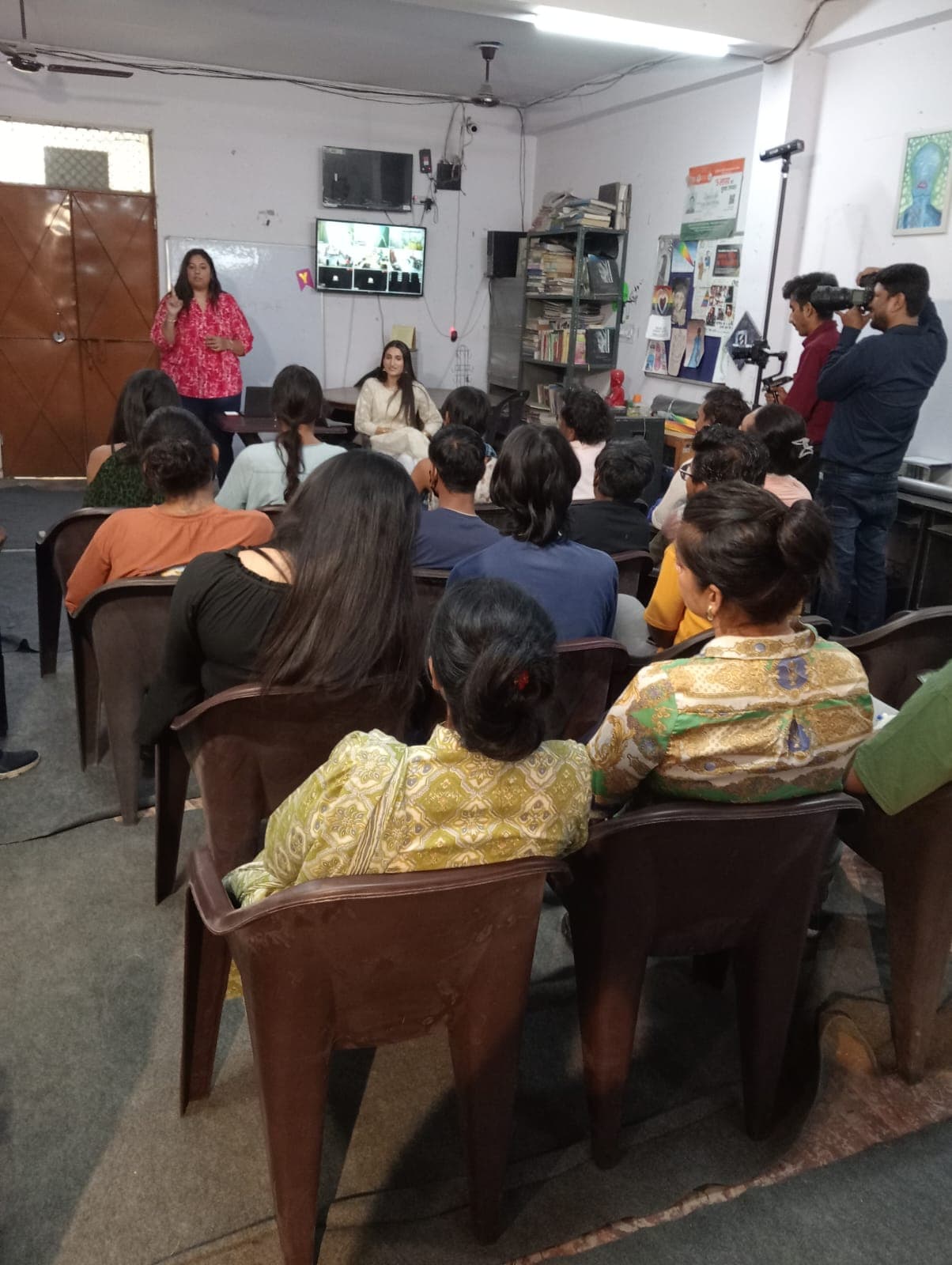
Garima Greh is more than a roof. Days are shaped around learning, rest and togetherness: skill classes, digital literacy, recreation, peer support, and festivals and national days celebrated together.
Many residents arrive after years of rejection. Here they find people who understand, and the time and space to heal, learn and plan what comes next.
- A chosen family
- Festivals together
- Peer support
- Skills for tomorrow
Help keep Garima Greh’s doors open
Government support covers only part of the cost of running the home, and it often arrives late. Your gift keeps meals on the table, the rent paid and classes running for every resident.
Meals and essentials
Three meals a day, toiletries, clothing and bedding.
Health and counselling
Check-ups, medicines, travel to hospitals and counselling.
Skills and education
Classes, course fees, books and digital-literacy training.
Steps to independence
Identity documents, job readiness and the first month in a new home.